What Real Families Say About Our Books and Their Kids
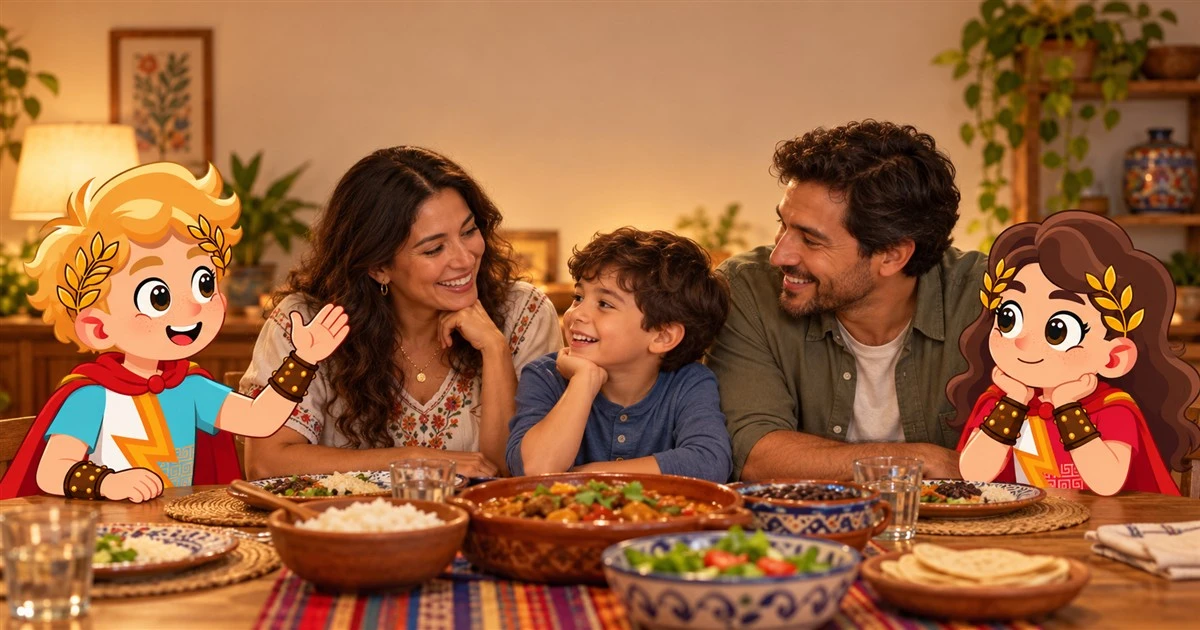
Before choosing a book, it helps to hear what happened when other families read it. These reviews are about the brand’s books—not the platform—and offer a glimpse of how a story about money can find its way into family life.
What families say
Christopher Collins, verified Amazon review (June 2025): “Very cool book, nothing else like this on the market. Highly suggest!”
Marisela Cuevas, verified Amazon review (August 2025): “A children's book every adult should read...” She says it can help children grow into adults with responsible financial habits.
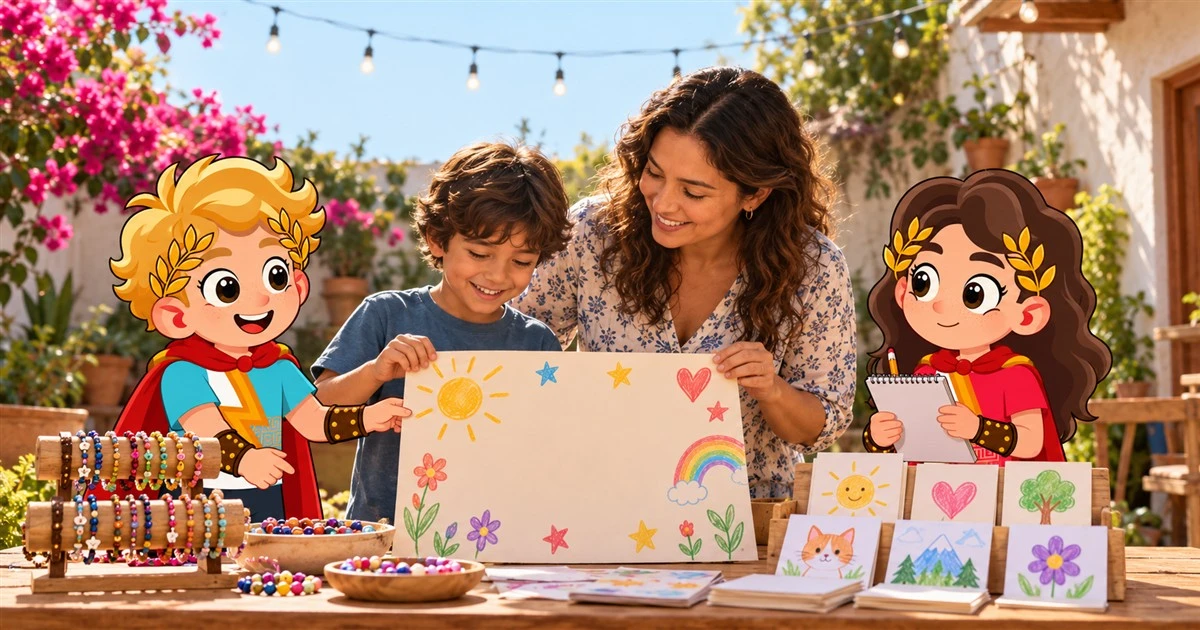
Karl G. Schlegel III wrote to the author that his 9-year-old daughter loved the illustrations and the topic of money—and wants to work through the activity workbook with him.
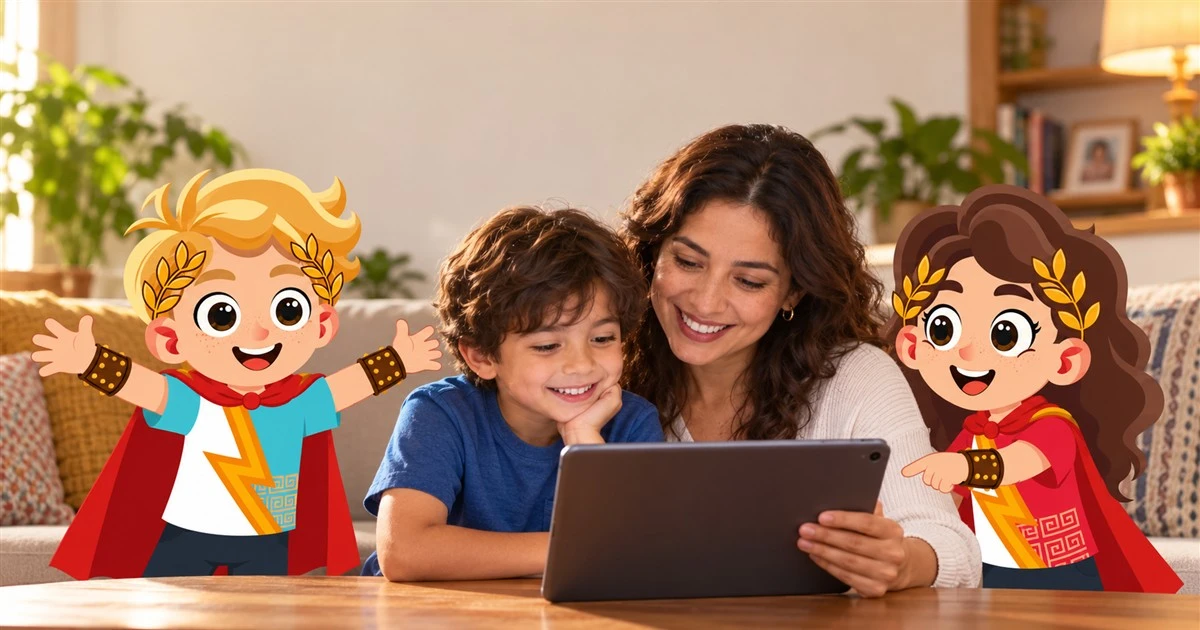
A verified Amazon review (May 2025): “My kids absolutely love this book...” The reviewer highlights how much the children learn while having fun.
@alixgarciamora, on Instagram, says the book introduces ideas like saving, spending with intention and the value of work.
How to read a testimonial
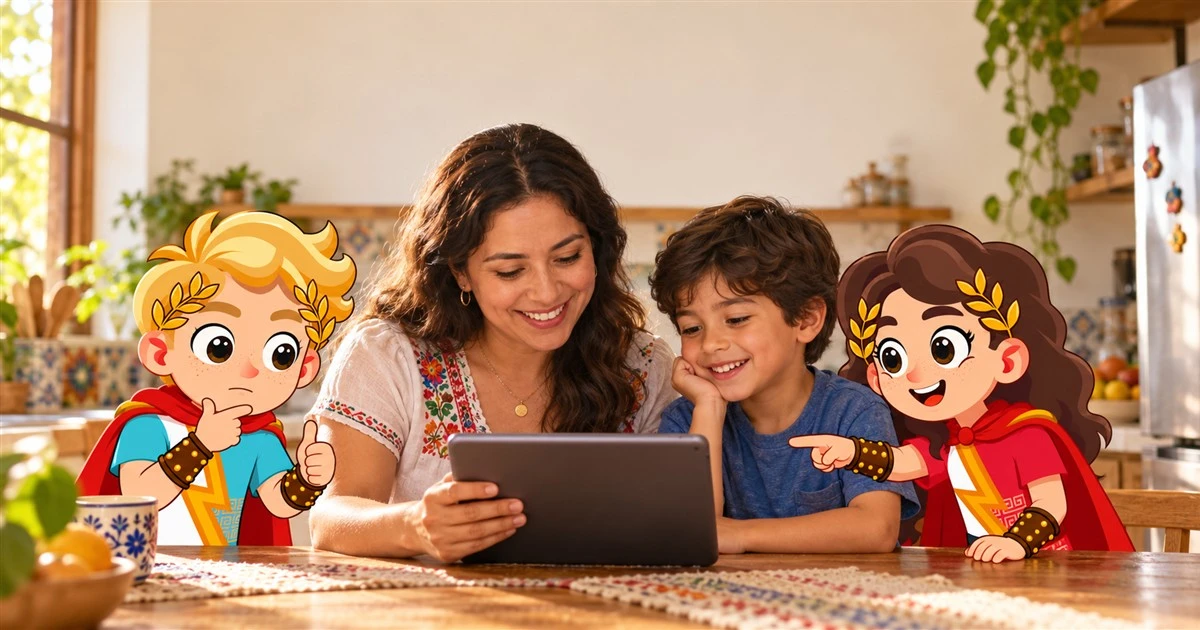
Notice the date, the detail and the expectation. Is the review recent? Does it describe a real moment—a reading, a question afterward, a child wanting to continue—or offer only general praise? Does it share what happened, or what the reviewer hopes will happen?
In Thinking, Fast and Slow, Daniel Kahneman describes the “what you see is all there is” bias: we judge by the information in front of us, without asking what might be missing. A glowing review can’t tell you how many readers felt differently. Robert Cialdini’s Influence explains why opinions from people like us carry weight. Both are good reasons to read reviews thoughtfully.
What it’s for
For your child, illustrations and characters can make money feel like a subject to explore, not a test. The families above describe the conversations and curiosity the books sparked at home. Their experiences may give you a starting point for your own.
What you’ll see over time
In the first weeks, keep the review dates in mind and notice how your child responds. Over the next one to six months, your own experience will tell you whether the material suits them. What lasts is what your family talks about and puts to use—not what a review promised.
Signs it’s working
Your child asks to read or use the material again, talks with you about what they’ve read, or brings up an idea from the story on their own. Those small moments are worth noticing.
Understand that a personal experience is worth more than a promise.
Try before deciding.
Evaluate the quality of a review before trusting it.
"A testimonial is a clue; your experience is the answer."
Most common error
Try it here too
The books: Beyond Money https://a.co/d/079Rfq6C · Be a Real Hero (workbook) https://a.co/d/0g6BVfUK