When Your Child Asks for the Next Class: What It Means
When a child asks for the next class without anyone prompting them, there's intrinsic motivation: they do something because it interests them, not for what they get. Daniel Pink, in Drive, describes it as the longest-lasting fuel for learning. It doesn't mean they already know everything; it means the idea appeals to them.
How to do it
This means they like the story, they want to know what the character decides and they feel they can take part. It's different from asking for a toy, because here the interest is in the idea and not in the object.
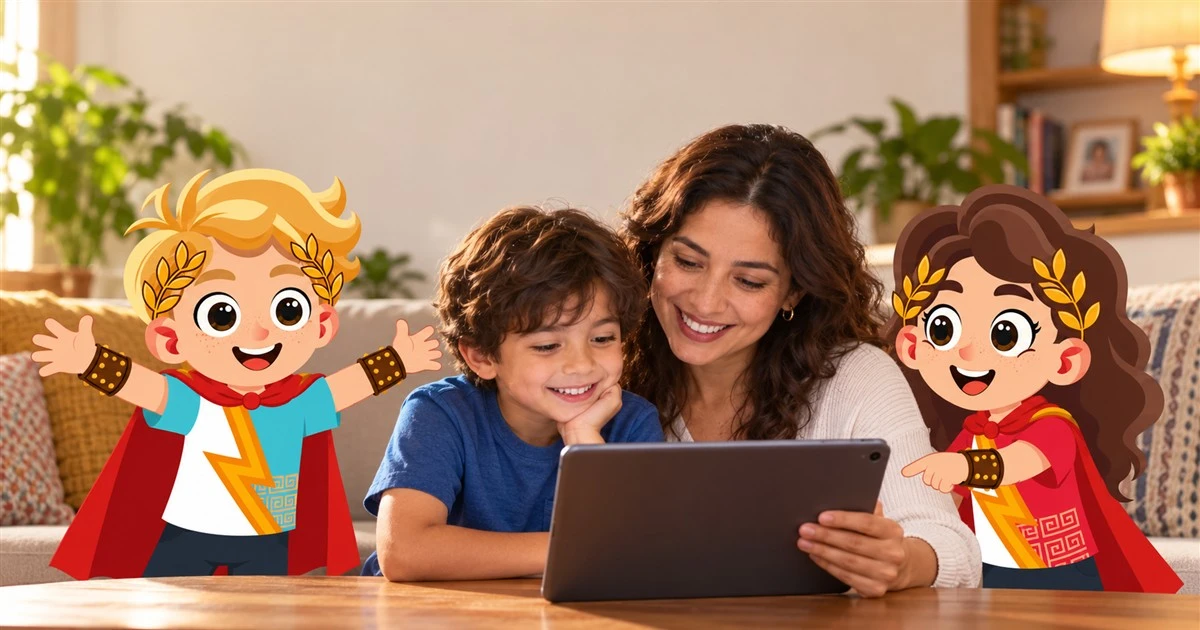
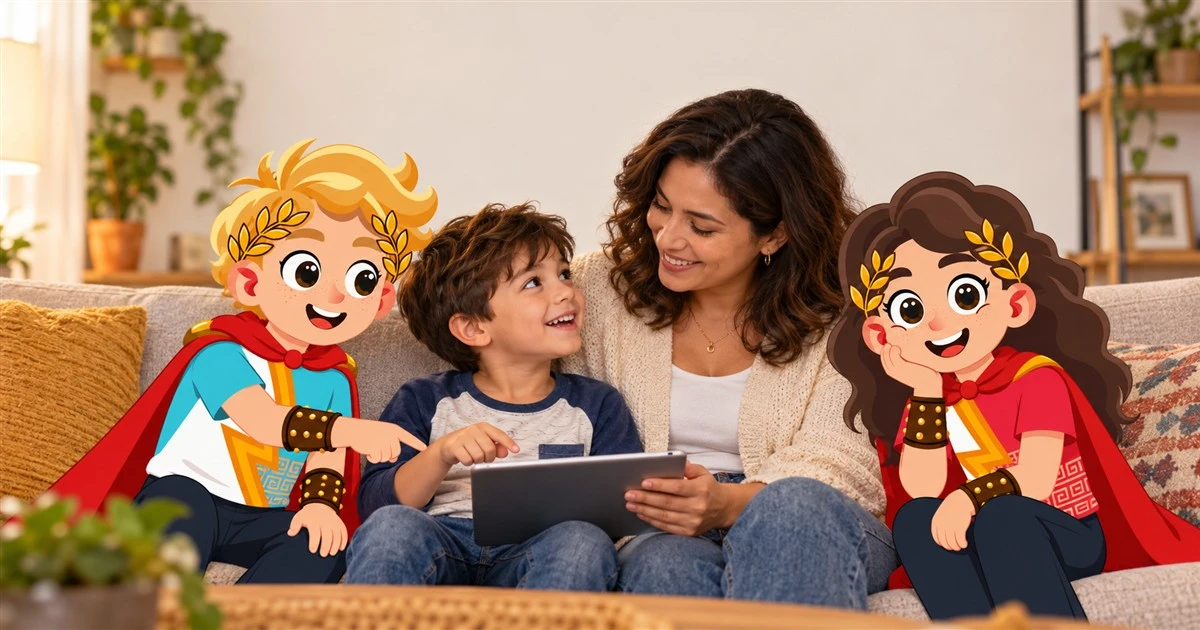
To respond, let them watch the class even at a different time of day. If they ask you something, hand the question back: "What do you think will happen?" Every prediction they make is practice.
It's best not to use the class as a prize or a punishment. In 1973, Lepper, Greene and Nisbett showed that when an activity kids already like turns into payment for something else, their own interest drops. The class has to stay something they ask for and not something they earn.
If they ask for five in a row, give one today with its conversation and the rest tomorrow. Being left wanting more is a good sign. If they ask to repeat the same one, they can: going back to an idea and explaining it without looking is one of the most effective ways to learn.
After the class, it helps to do the sheet together and talk for a minute about what they saw. That way the next class connects with the last.
What it's for
For your child, asking for the class is a way of deciding what they want to learn. For you, that request is the most direct sign that the routine makes sense to them.
What you'll see over time
In the first weeks the request may be occasional. Between one and six months it becomes frequent and the child anticipates what will happen. In the long run the interest in ideas stays even if the class they ask for changes.
Signs it's working
You know it works when your child asks for the class without being prompted, when they predict what will happen and when they connect a class with the previous one.
Understand that interest in an idea is different from wanting an object.
Connect each class with the previous one.
Predict what will happen in a story.
"When they ask for more, the learning has already become theirs."
Most common error