Money for Kids: The 15-Minutes-a-Day Method
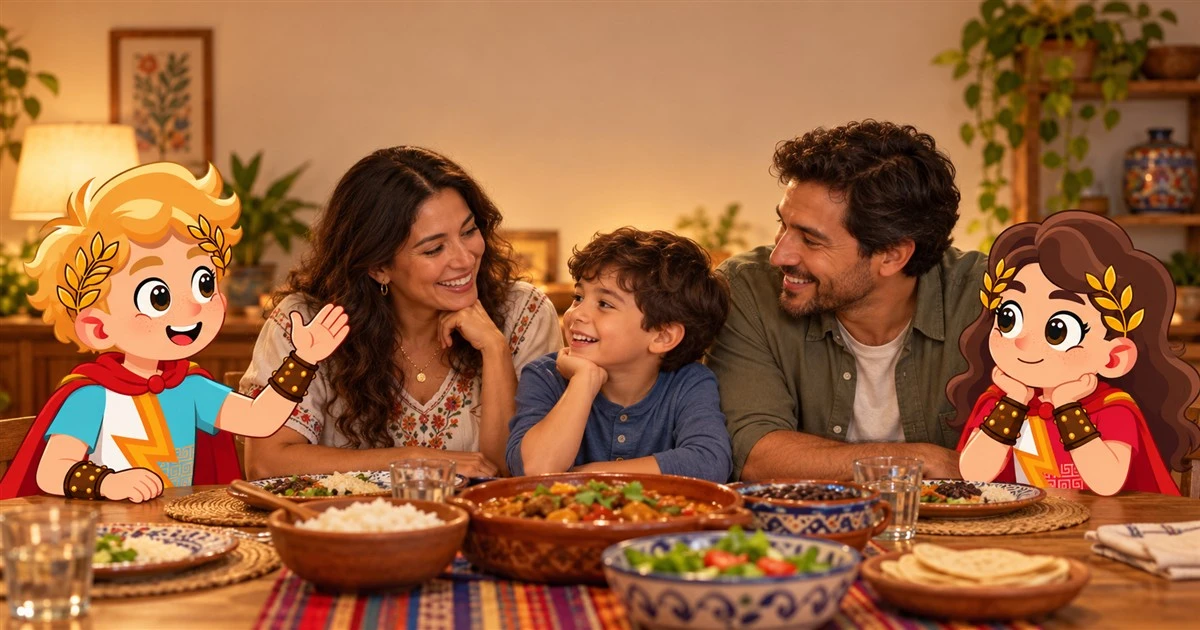
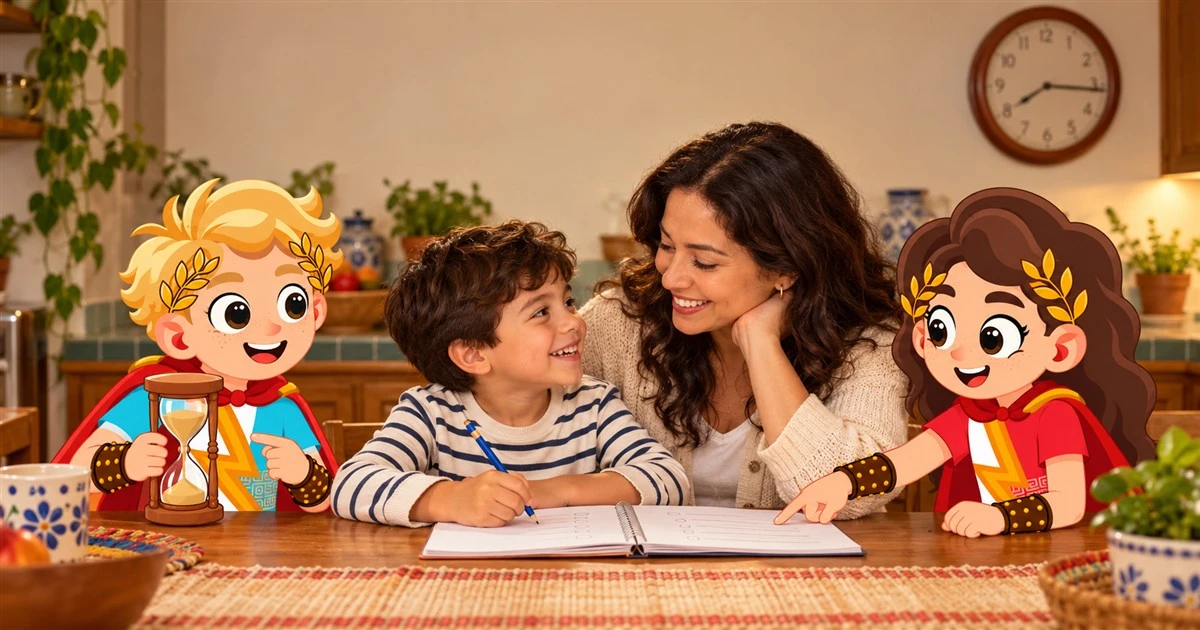
Fifteen minutes a day is enough to start teaching money if it's repeated at the same time with a single idea. Regularity weighs more than length. The routine attaches to something you already do, for example "after dinner, at the table, fifteen minutes." Minutes 1 and 2 are a question about the day: "Did we buy anything today? What did we choose?" Minutes 3 to 7 are one idea, with a story, a short class or a video with a single decision. Minutes 8 to 12 are practice: sorting, choosing or comparing, like "Of these three snacks, which fits in 2 dollars?" Minutes 13 to 15 are a close in which the child finishes the sentence "Today we learned that..."
How to do it
Start with three days a week. When you've gone two weeks without missing, move to five.
What it's for
For your child, knowing what comes next brings calm, and money stops being a scolding and becomes a normal topic. They feel important because they have a time just for them. For you, the feeling of "I should be teaching them and I don't know when" disappears, because fifteen minutes fit even in the worst week.
What the research says
James Clear, in Atomic Habits, argues that a habit sticks when it's small and attached to something you already do. Brown, Roediger and McDaniel, in Make It Stick, show that practice spread across different days lasts longer than concentrated practice. Fletcher and Wright (2024) found an association between regular conversation with parents and better financial understanding in children aged 4 to 6.
What you'll see over time
In the first weeks you have to remind them of the routine and sometimes they protest. Between one and six months they ask for it and arrive with questions from their day. In the long run money is talked about at home without awkwardness, and that tends to stay.
Signs it's working
It's working when they remind you of the time, when they complete "today we learned that..." with ideas of their own and when they use the idea away from the table. If the routine falls apart, check the anchor: maybe dinner isn't the best moment and snack time is. If a day is lost, pick it up the next one without making up for it; Clear sums it up as never missing twice in a row.
Understand that regularity teaches more than length.
Keep a short money routine several times a week.
Summarize what they learned in one sentence.
"Fifteen minutes at the same time build a habit."
Most common error