📝
7-10 years
5 minutes
0
Paying for Chores? What Science Says and How to Do It Right
Should helping at home come with a price tag? Many parents want the best, but sometimes, what we think helps can confuse our children. Discover the key to teaching them without paying for every little thing.
Oh, household chores! That daily battle that, as parents, sometimes exhausts us. And of course, in our search for solutions, many of us think: What if I pay them to help? It seems like a good idea, right? An incentive for my kids to collaborate and, incidentally, learn the value of money. But what if I told you that science has something to say about it?
The Common Mistake We Make Without Realizing It
Our intention is good, absolutely clear! We want to foster responsibility and for our children to value effort. However, when we pay for basic chores—like making the bed, tidying up toys, or setting the table—we might be sending the wrong message. We are turning family collaboration into an economic transaction. It creates a mindset of: "If you don't pay me, I won't help." And truly, living in a family means collaborating without a paycheck. A Harvard University study suggests that linking money to routine household chores can decrease intrinsic motivation. That is, children lose interest in helping simply because they are part of the family, and only do it for external reward (money).So, How Do I Teach Them the Value of Money and Responsibility?
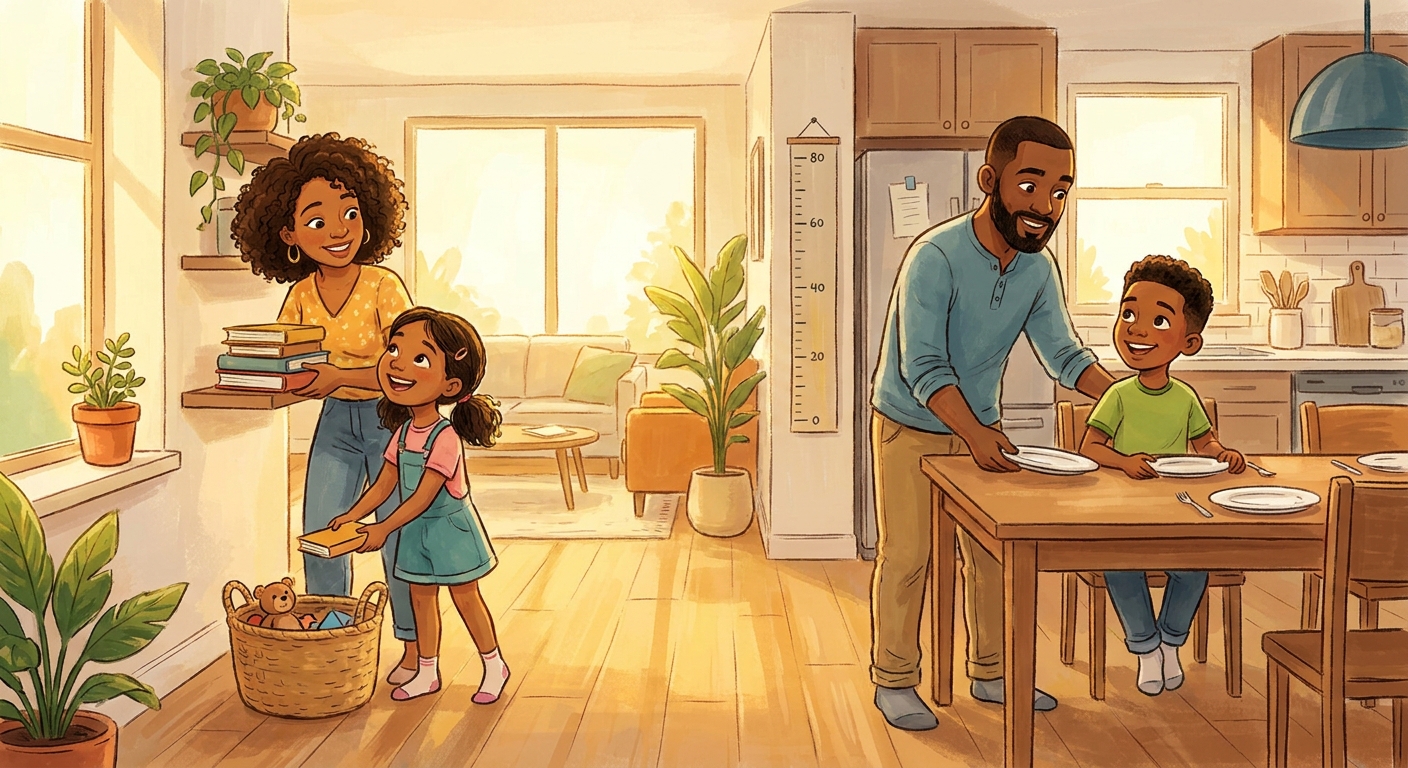
The key is to differentiate! There are two types of tasks:- Family Responsibility Chores: These are what everyone does to make the household function. They are a duty, a contribution to the family community. They are not paid. For example: organizing their room, helping wash dishes, taking care of their pet.
- Opportunities to Earn Money: These are *extra* tasks or special jobs that go beyond their daily responsibilities. Here, remuneration applies. For example: washing the car, helping clean the garden, organizing the pantry, or any task you would normally do yourself or hire someone for.
How to do it
1
Identify basic household chores that are family responsibilities.
2
Clearly communicate to your children that these tasks are unpaid.
3
Create a list of "extra jobs" that can earn them money.
4
Establish a fixed allowance for them to learn money management.
5
Celebrate your children's collaboration and selfless effort.
What they are learning
Skill
Differentiate between family responsibilities and earning opportunities
Knowledge
Understand the value of selfless collaboration at home
Attitude
Develop a mindset of contribution, not transaction
Guiding phrase
"Teaching collaboration is a lifelong gift, beyond just money."
Most common error
Paying children for basic chores like making their bed or tidying their toys, creating an expectation of payment for any help at home.
Keep practicing
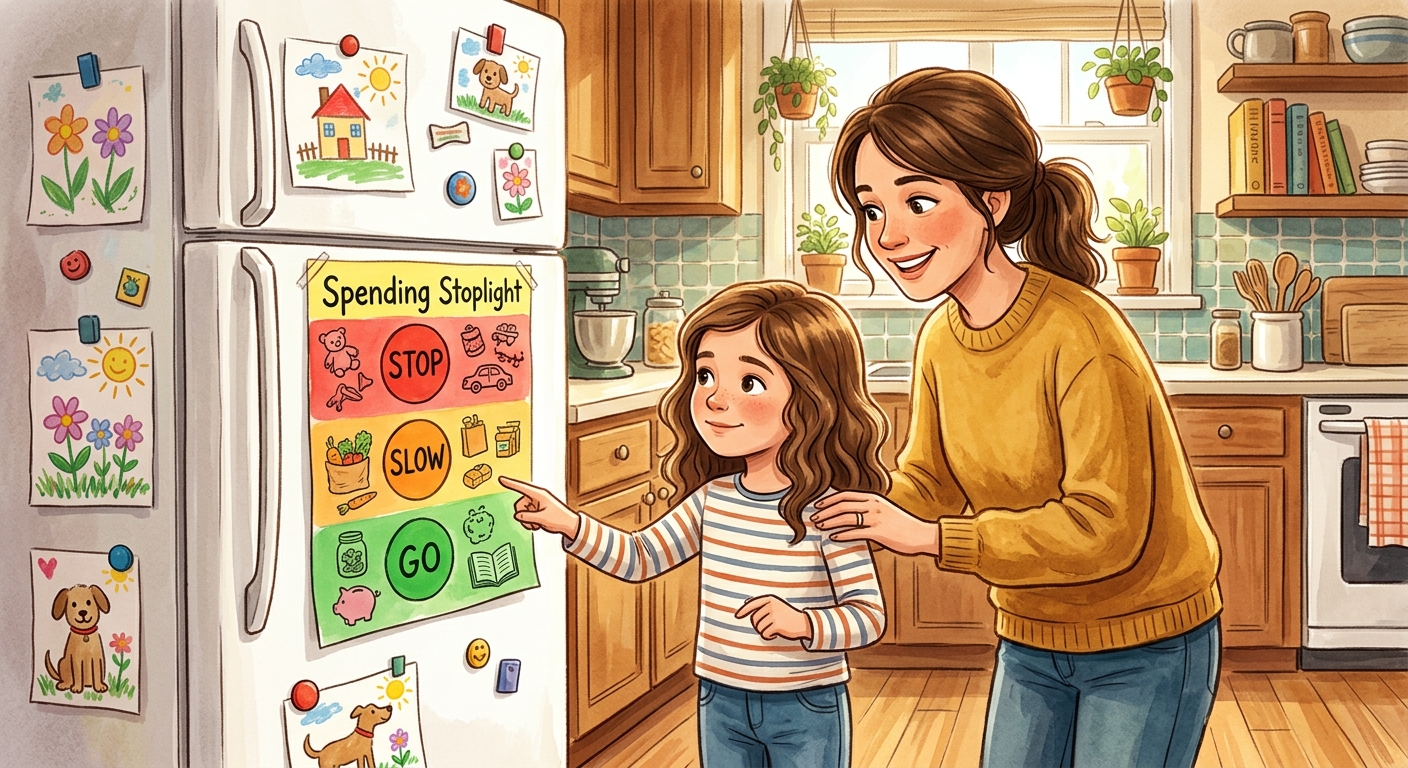
The Spending Stoplight— an easy guide for kids (and parents)!
3 minutes · 7-10 years
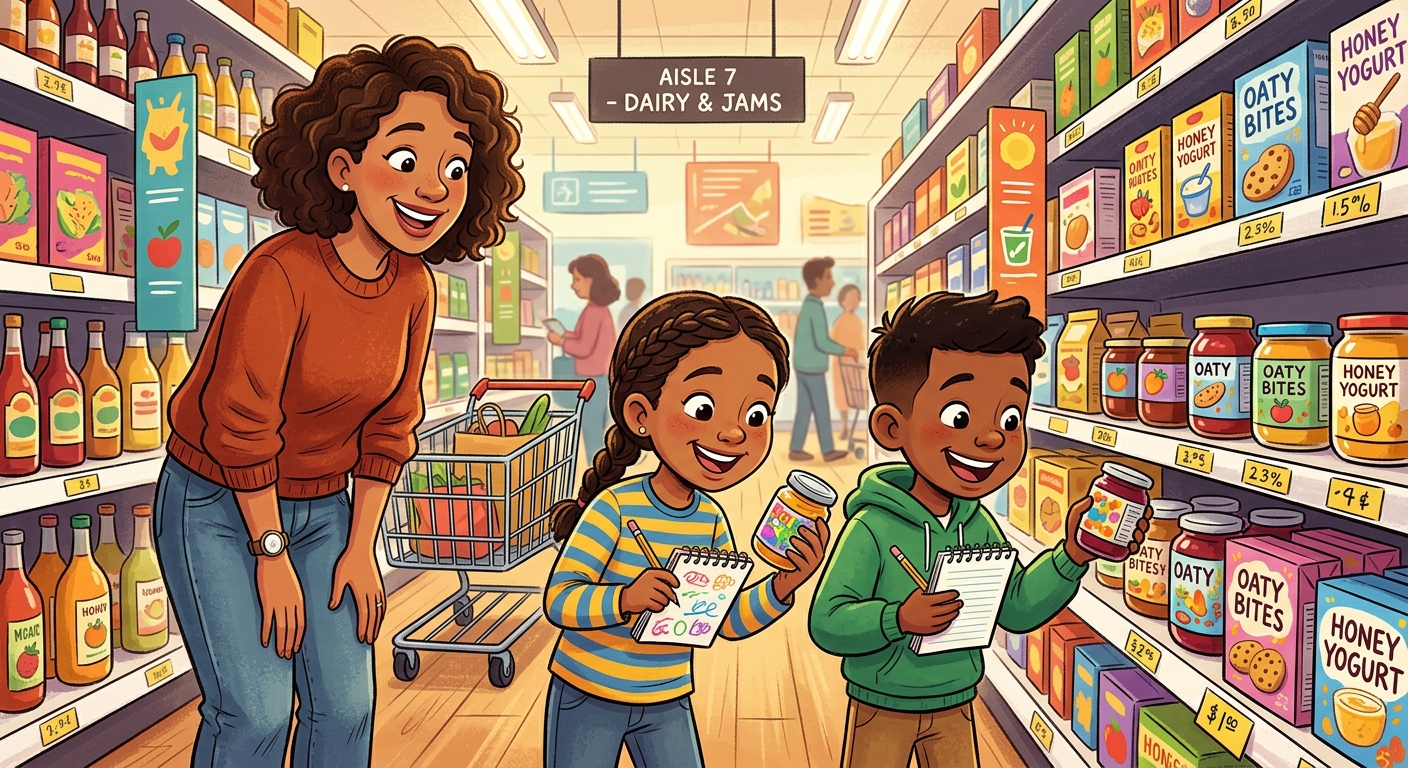
The Magic Supermarket: Price Detectives and the Art of Saving
3 minutes · 7-10 years
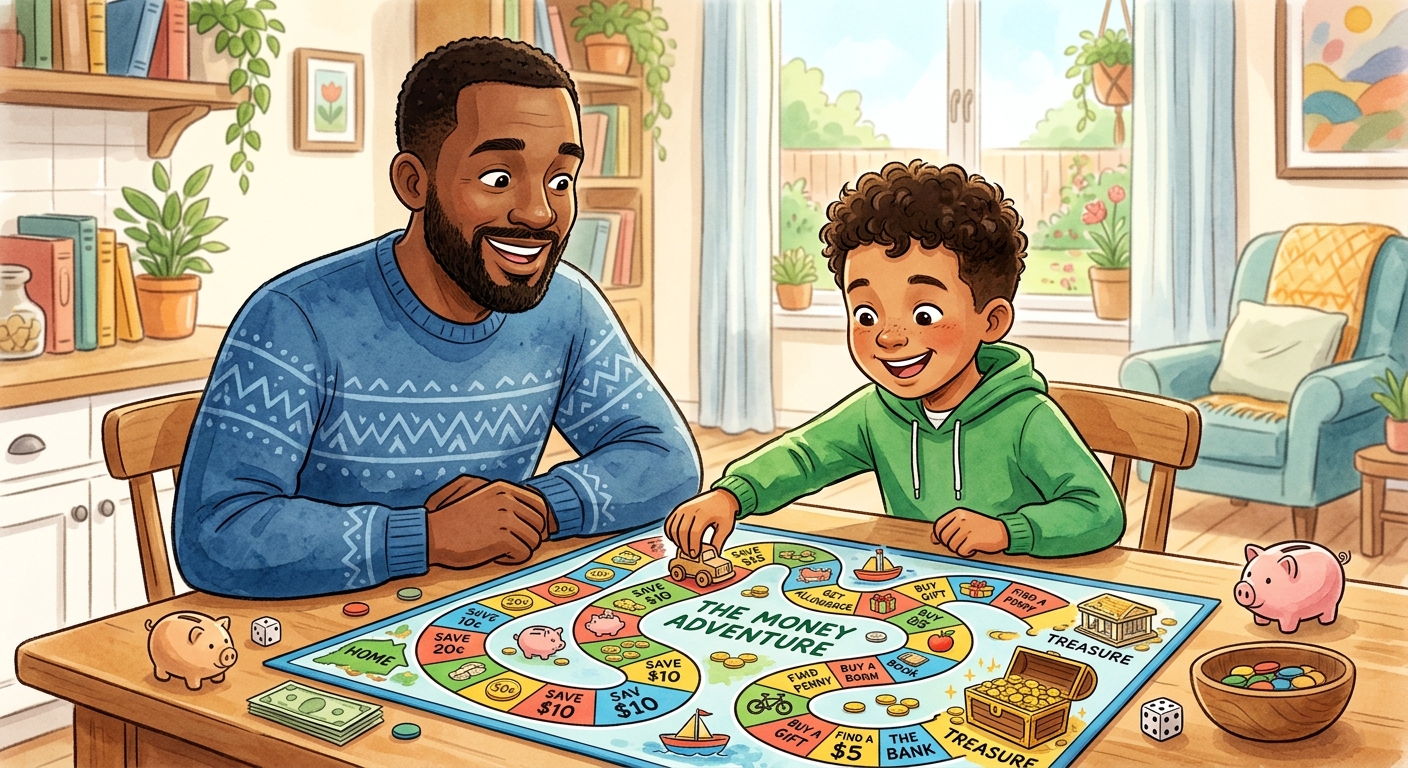
The Goal Race — Saving Money is More Fun When It's a Game
4 minutes · 7-10 years
Back to blog